If your speedometer works but your odometer doesn’t, the speed display can still function while the mechanism or electronics responsible for counting, storing, or displaying distance has a fault. For Terre Haute drivers, the useful first distinction is whether the mileage digits have disappeared or the visible number has stopped advancing.
Those symptoms call for different checks. An older geared counter may have an internal mechanical failure. An electronic odometer needs testing to determine whether mileage is still being recorded behind a faulty display, has stopped accumulating, or is not being retained after shutdown. A working speedometer alone cannot settle that question.
Why can one work while the other stops?
Displaying current speed and keeping a running distance total are different jobs. The symptom points a technician toward the distance counter, but testing is still needed to identify the failed part.
On an older geared odometer, internal gear failure is one possibility. Odometer Gears, a replacement-gear manufacturer, describes how the original gear material in the units it supports can deteriorate over time. That gives a shop a mechanical fault to investigate when the counter stops. It does not mean every vehicle with this symptom needs gears. Odometer Gears explains this failure mechanism in its FAQ.
On an electronic odometer, the display and the recorded mileage need separate attention. A blank mileage window leaves an unanswered question: is the distance total still being updated internally? Readable digits that never change raise a different question: is the counter receiving and retaining the information it needs?
Ford’s 23H05 inspection program identified selected vehicles whose instrument-cluster odometers might not properly record accumulated mileage. That is a vehicle-specific example, not evidence that your car has the same defect. Ford’s inspection instructions document the concern.
Avoid treating “odometer stopped working” as an automatic diagnosis of a bad speed sensor or a failed dashboard assembly. The vehicle’s design and test results should determine the repair.
How a shop separates a display problem from a recording fault
The goal is to establish what changes during travel, what the dashboard shows, and what remains afterward.
Confirm exactly what has stopped
A technician starts with the year, make, model, and your description of the problem. “The screen is blank,” “the same mileage stays visible,” and “the number increases but returns to an earlier reading later” are useful distinctions.
The shop can also compare the total odometer with the trip counter. If one advances and the other does not, that gives the technician another observation to investigate. It does not, by itself, prove which component has failed.
Compare readings over known travel
A controlled comparison records the displayed mileage before and after a known distance. For an electronic system, the manufacturer’s procedure may also call for checking the reading after shutdown.
Ford’s procedure illustrates why that last check matters: it compares readings before and after a road test, then checks again after the vehicle has been shut down. A number that advances during the test has not necessarily passed a mileage-retention check. The shop should use the procedure for your vehicle rather than copy another model’s test conditions.
Check the information available on that vehicle
A useful question for the technician is: Can this vehicle’s diagnostic system show stored mileage or distance information separately from the dashboard display?
Where the design and diagnostic access allow it, comparing that information with the visible reading can help separate a display fault from an accumulation or retention concern. Do not assume every car stores a second, complete mileage total that a scanner can recover.
Ask what the tests establish:
- Is the mileage display unreadable while accessible distance information continues to advance?
- Is the displayed total unchanged after known travel?
- Does accumulated mileage remain after shutdown?
- What additional electrical or mechanical checks does the vehicle’s procedure require?
This is the same testing-before-replacement approach discussed in how computer diagnostics identify hidden car problems.
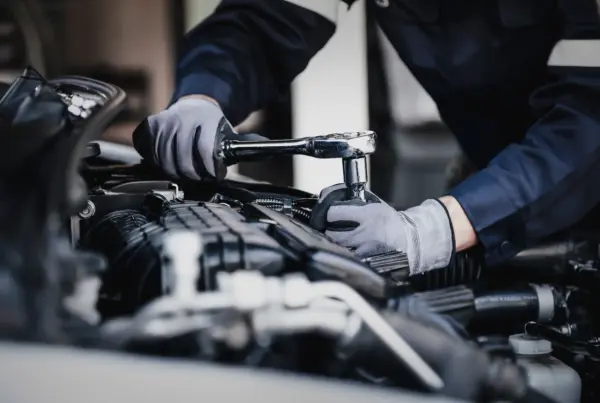
For dashboard gauge repair in Terre Haute, Don’s Service Center lists gauge and speedometer troubleshooting as well as electrical diagnosis and repair. The findings should determine which part needs attention.
What observations help when your odometer stopped working?
You do not need to take the dashboard apart to provide useful information. Before the visit, write down:
- What you can see: a blank window, missing digits, dashes, or a readable number that stays fixed.
- What the trip counter does: whether it advances, stays fixed, or is also unreadable.
- When the symptom occurs: continuously, intermittently, or after shutting off and restarting.
- What else changes: whether the speed display remains steady and whether other dashboard displays have problems.
- When you first noticed it: the date and last mileage reading you reasonably trust.
- Recent work: mention battery, electrical, or dashboard work, without assuming it caused the failure.
Take photographs while parked if the display changes from one occasion to another. Bring service receipts that show earlier dated readings. These provide a record of what was observed; they do not establish the exact distance driven after the fault began.
How to track maintenance while the reading is unreliable
A frozen mileage number is not a reason to pause maintenance. Until diagnosis establishes what the odometer is recording, keep a separate record of use.
Start with the last trustworthy reading and date. Keep that separate from the number currently on the dashboard. If you do not know when the fault began, say so rather than assigning an exact starting mileage.
Log estimated travel. Use route distances or a GPS trip log as a temporary aid. Record the date, estimated distance, and method used. Label these as estimates, and do not present their total as verified odometer mileage. If the trip counter appears to work, ask the technician whether it is reliable enough to help with interim tracking.
Follow your vehicle’s maintenance schedule. Check both the distance and calendar requirements. Ford’s maintenance guidance, for example, calls for service records with dates, mileage, and receipts, and uses time-or-distance limits for some items. The interval you use must come from your own vehicle’s schedule. Ford’s maintenance guide illustrates those recordkeeping and scheduling principles.
For oil service, how often you should change your oil provides related maintenance guidance. If the uncertain distance could put a service near its due point, review the last service date and estimated travel with the shop instead of waiting for the dashboard to reach a number it may no longer reach.
Keep the repair invoice with your mileage notes. Ask the technician to distinguish the displayed reading, any mileage the technician could verify, and any remaining uncertainty. A repaired display and a fully established mileage history are separate outcomes; your records should make clear which one the diagnosis achieved.