Posted on 12/19/2025
You are driving along like normal, and that little amber engine symbol pops on. The car still feels mostly fine, so it is tempting to finish the week and deal with it “later.” The problem is that the check engine light can mean anything from a minor emissions issue to a problem that can damage your engine or catalytic converter if you keep driving. Why Your Check Engine Light Deserves Attention The check engine light is part of the vehicle’s onboard diagnostic system. Sensors all over the engine and exhaust watch how everything is running and report back to the computer. When something does not look right for long enough, the computer sets a fault code and turns the light on. The light does not tell you exactly what is wrong by itself. It is more of a “pay attention now” signal. From what we see in the shop, drivers who deal with that light early usually catch small problems while they are still easy to fix, instead of waiting until poo ... read more
Posted on 11/28/2025

A steering wheel that shakes during braking can turn an easy drive into a tense one. Vibration under the pedal usually means the front brakes or the parts that locate the front wheels are no longer running true. Left alone, the shake can grow, wear tires unevenly, and stretch stopping distance. Here is how to read the signs, what typically causes them, and how to keep the fix from coming back. What That Brake Vibration Is Telling You The shudder you feel is a change in brake torque as the rotors rotate. Instead of a smooth squeeze, the caliper bites harder once per wheel turn, then softer, which makes the wheel transmit a tremor into the column. Most drivers notice it between 45 and 25 mph with a lightly pressed pedal, sometimes paired with a gentle pulsing in the pedal. If vibration shows up only at highway speed with no brake input, that is a different issue and often tire or wheel related. Usual Culprits Behind the Shake Rotor thickness variat ... read more
Posted on 10/31/2025
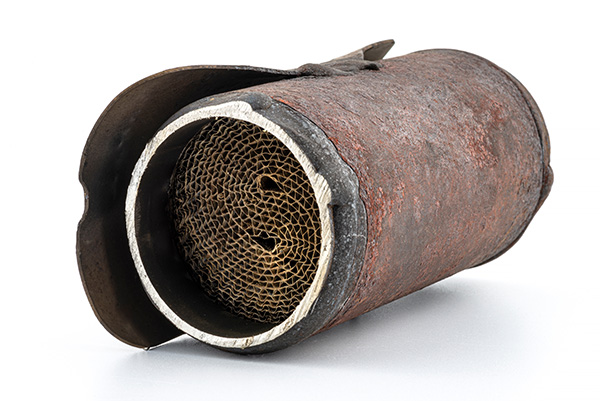
A healthy catalytic converter cleans up exhaust without calling attention to itself. When it begins to clog, the change is gradual. Power falls off, the engine feels labored, and fuel economy dips for reasons that are not obvious at first. Many drivers chase coils, plugs, and sensors before realizing the exhaust is the real restriction. Knowing the early signs can save you from a tow and prevent damage to parts upstream. What the Converter Does and Why It Can Restrict Flow Inside the converter is a ceramic or metallic honeycomb coated with precious metals. Exhaust flows through those tiny passages while chemical reactions reduce harmful gases. Heat, unburned fuel, and age slowly damage the coating and the structure. When the brick melts or breaks apart, passages collapse and the outlet shrinks. The engine now pushes against backpressure, which steals power and raises temperatures in the exhaust system. Early Symptoms Most Drivers Notice First Clogg ... read more
Posted on 9/26/2025

Many drivers see oil changes as routine maintenance and not much more. But this task does a lot to protect your car from long-term problems. Delaying an oil change may not seem like a big deal at first. The car still runs, and there may be no warning signs right away. Over time, though, putting off oil service can lead to serious damage, not only to the engine but to other parts of the vehicle as well. What Happens When Oil Gets Old Engine oil is responsible for lubricating the moving parts inside your engine. It also helps reduce heat, clean out debris, and prevent corrosion. As the oil ages, it loses these qualities. It becomes thicker, collects more contaminants, and stops flowing as well as it should. This makes it harder for the engine to stay cool and protected. Old oil also begins to break down from heat and pressure. It can turn into sludge, a sticky substance that clogs oil passages and restricts flow. This sludge builds up around parts like the crankshaft ... read more
Posted on 8/29/2025

Cars today are more complex than ever. What used to be mechanical systems are now controlled by sensors, modules, and computers that all communicate with one another. While this makes vehicles more efficient and reliable, it also means that when something goes wrong, it’s not always obvious. That’s where computer diagnostics come in. At Don’s Service Center in Terre Haute, IN, technicians rely on advanced scan tools to uncover issues that drivers can’t always see or hear. What Happens During a Diagnostic Test When your vehicle’s “check engine” light or other warning indicators appear, the first step is to connect it to a diagnostic scanner. This tool reads the trouble codes stored in the vehicle’s onboard computer. These codes serve as clues, indicating a system that isn’t functioning properly. For example, a code might show an issue with the oxygen sensor, fuel injectors, or ignition coils. The ... read more