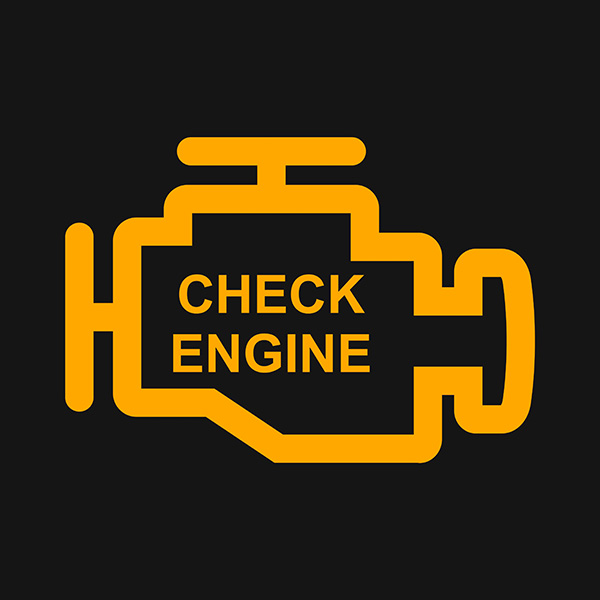
You are driving along like normal, and that little amber engine symbol pops on. The car still feels mostly fine, so it is tempting to finish the week and deal with it “later.” The problem is that the check engine light can mean anything from a minor emissions issue to a problem that can damage your engine or catalytic converter if you keep driving.
Why Your Check Engine Light Deserves Attention
The check engine light is part of the vehicle’s onboard diagnostic system. Sensors all over the engine and exhaust watch how everything is running and report back to the computer. When something does not look right for long enough, the computer sets a fault code and turns the light on.
The light does not tell you exactly what is wrong by itself. It is more of a “pay attention now” signal. From what we see in the shop, drivers who deal with that light early usually catch small problems while they are still easy to fix, instead of waiting until poor fuel economy, hard starting, or rough running show up as well.
Common Reasons the Check Engine Light Comes On
There are hundreds of possible codes, but a few categories show up all the time. A steady check engine light often points to issues such as:
- Loose or failing gas cap that lets fuel vapors escape
- Faulty oxygen sensor affecting fuel mixture and emissions
- Problems with the evaporative emissions system (EVAP leaks)
- Misfires from worn spark plugs or ignition coils
- Airflow or fuel delivery issues from dirty sensors or weak components
A flashing check engine light is different. That usually indicates an active misfire serious enough to risk damaging the catalytic converter. If you ever see a flashing light, slow down and have the vehicle checked as soon as possible.
What You Can Check Yourself (Safely)
There are a couple of quick checks you can do at home without special tools. The first is the gas cap. Make sure it is tightened until it clicks and the seal is not cracked or missing. A loose cap will not cover every check engine light, but it is simple to rule it out.
Pay attention to how the car feels. Does it start easily, idle smoothly, and accelerate normally, or do you notice shaking, hesitation, or poor power? Any new smells, like fuel or a rotten egg odor from the exhaust, are worth noting. Sharing those details when you bring the car in helps point us in the right direction faster than the code alone.
Mistakes Drivers Make When the Light Is On
It is understandable to want to avoid a repair bill, but some reactions to a check engine light end up costing more in the long run. Common mistakes include continuing to drive hard with a flashing light, ignoring rough running for weeks, or clearing codes with a cheap scanner and assuming the problem is gone because the light went out.
Another issue is guessing at parts based on internet lists of “usual suspects.” Replacing sensors and coils without testing can get expensive quickly. We have seen vehicles arrive with several new parts installed, yet the original problem is still active because the root cause was never actually diagnosed.
How Professionals Diagnose a Check Engine Light
Proper diagnostics starts with more than just reading the code number. A technician will connect a scan tool, retrieve codes, and then look at live data from sensors while the engine is running. That data shows fuel trims, oxygen sensor activity, misfire counts, and other readings that help narrow down what is really wrong.
From there, targeted tests come into play. That might mean smoke testing the EVAP system for leaks, checking ignition components for weak spark, or measuring fuel pressure. We focus on confirming the cause before recommending parts, so you are not paying to guess.
When It Is Safe to Drive And When It Is Not
A steady check engine light on a car that runs smoothly can often be driven carefully to a scheduled appointment, as long as you keep an eye on how it feels and do not ignore new symptoms. You may notice a drop in fuel economy or minor drivability changes, but it is usually not an emergency.
A flashing light, hard starting, strong fuel smell, heavy loss of power, or severe shaking are different. Those signs mean you should reduce driving as much as possible and get the vehicle inspected quickly. Driving for long with those symptoms can overheat the catalytic converter, wash down cylinder walls with unburned fuel, and lead to far more expensive repairs.
Get Check Engine Light Diagnostic in Terre Haute, IN with Don's Service Center
If your check engine light just came on or has been staring at you for weeks, this is the right time to find out what is really behind it. We can pull the codes, look at live data, test the components involved, and explain what needs attention now and what can be planned for later.
Schedule a check engine light diagnostic in Terre Haute, IN with Don's Service Center, and we will help you get answers instead of guessing at that glowing warning.