Posted on 4/30/2026
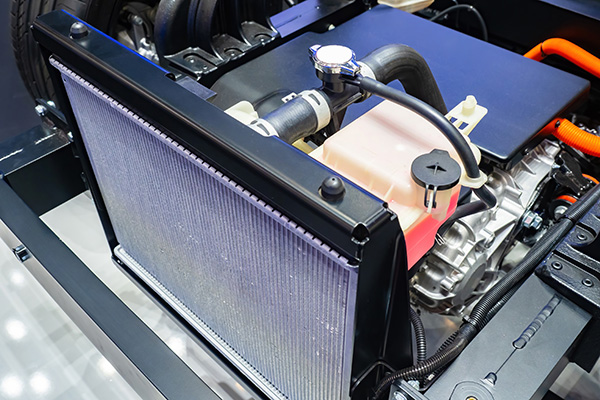
An overheating engine gets serious fast. The temperature gauge climbs, the heater starts acting strange, or steam shows up at the worst possible time. A lot of drivers still hope it is something temporary, especially if the car cools down again after sitting for a while. That hope is where bigger trouble starts. An overheating problem can go from annoying to expensive in a matter of minutes. Why Overheating Should Never Be Treated Like A Small Thing Your engine depends on a cooling system that stays sealed, full, and able to move heat away every time the car runs. Once that system falls behind, temperatures rise quickly. The hard part is that the car can seem fine right up until it is not. Some drivers notice the problem in traffic. Others catch it on a longer drive, with the A/C on, or after the engine has already been working harder than normal. Either way, the warning should not be brushed aside. Low Coolant Is One Of The First Things To Check ... read more
Posted on 3/27/2026
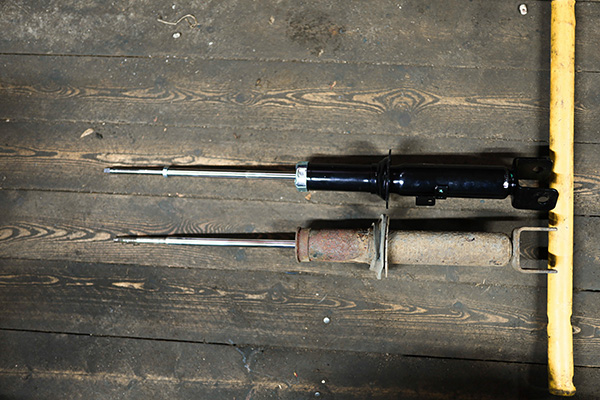
Shock absorbers tend to wear out quietly. The car still drives, nothing is obviously broken, and you can get used to the extra movement without realizing it happened. Then a pothole hit feels harsher than it should, or the car feels a little busy on the highway, and you start wondering what changed. A few specific clues can tell you when shocks are the real culprit. What Shocks Actually Do Shocks do not hold the vehicle up, springs handle that job. Shocks control how fast the suspension moves, and they keep the tires planted when the road is uneven. When they are doing their job, the car settles quickly after a bump instead of continuing to bounce. That tire contact is what keeps braking, steering, and stability feeling predictable. When shocks wear, the car can still feel fine on smooth roads, which is why the problem sneaks up. The weak point shows itself on rough pavement, quick lane changes, and long sweeping dips where the body keeps moving. You might also not ... read more
Posted on 2/27/2026
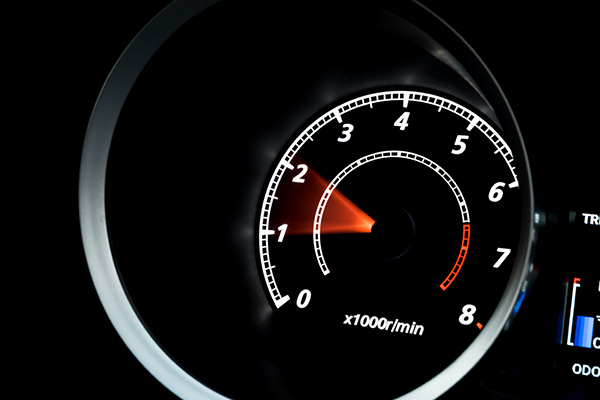
A rough idle can feel like your car is shivering at a stoplight. The steering wheel buzzes, the seat vibrates, and the engine sounds a little uneven, even though it seems fine once you’re moving. Some vehicles do it only on cold starts. Others do it after a long drive when everything is hot. Rough idle is a symptom with a handful of repeat offenders. Once you narrow the pattern, the fix gets clearer. Rough Idle Symptoms To Notice Before thinking about parts, notice the conditions. Does it idle rough only in Drive with your foot on the brake, or also in Park? Is it worse with the A/C on? Does it smooth out when you rev it slightly? Those details matter because they point toward airflow, fuel delivery, ignition, or engine load changes. Also pay attention to whether the idle is consistently rough or comes and goes. An intermittent rough idle often points to sensors, vacuum leaks, or a component that sticks occasionally. 1. Vacuum Leaks And Unmetered Ai ... read more
Posted on 1/30/2026
%20copy.jpg)
A small coolant leak can be easy to live with at first. You top off the reservoir, the car seems fine, and you move on. The risk is that cooling systems do not like slow neglect. Coolant level and pressure are what keep engine temperatures stable, and once stability is gone, repairs get expensive fast. If you catch the leak while it’s still small, you can usually avoid overheating, avoid towing, and avoid the chain reaction that follows. Why Small Coolant Leaks Turn Into Bigger Problems Your cooling system is pressurized when the engine is warm. That pressure raises the coolant’s boiling point and helps move heat out of the engine efficiently. When a leak reduces pressure, coolant can boil sooner and create hot spots. It can happen even if the temperature gauge doesn’t look dramatic at first. Leaks also grow over time. Rubber hoses soften, clamps relax, and plastic housings develop cracks. Heat cycles turn a minor seep into a steady drip, then int ... read more