Brake problems have a way of testing your patience before they test your safety. A faint squeal, a light vibration, or a pedal that feels a little different can seem easy to live with for a while. The car still stops, so it feels like there is time to wait.
That waiting is where brake repair gets more expensive. The braking system is built from parts that work together, and once one part wears too far, the damage starts moving into the next one.
Brake Pads Wear Past Their Safe Limit
Brake pads are designed to wear out first. They create the friction needed to stop the vehicle, and replacing them on time protects the rest of the system. When brake repair is delayed, the pad material gets thinner until there is not enough left to work safely.
At that point, stopping power can become less consistent. The pedal may still respond, but the brakes are working harder with less material. Drivers might notice squealing, scraping, or a longer stopping distance. Once the pads reach the metal backing, the repair becomes more complex.
Rotors Take the Damage Next
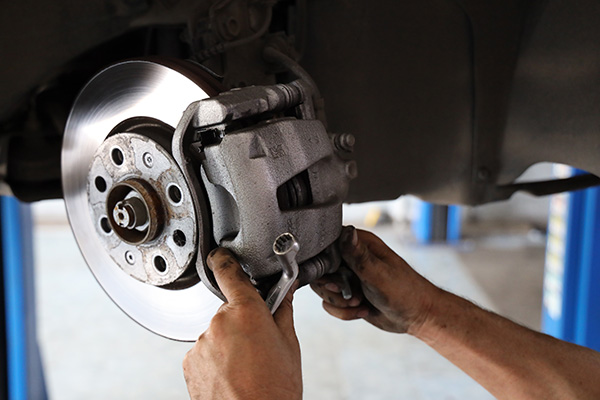
Rotors are the metal discs that the brake pads press against. When pads are replaced early enough, rotors can sometimes remain in good condition, and waiting too long changes that. Thin or worn pads can score, overheat, or warp the rotor surface.
A damaged rotor can cause shaking through the steering wheel or brake pedal when slowing down. The car may still stop, but the braking feel becomes rougher and less predictable. Instead of replacing pads alone, you may now need to replace rotors as well. That is one of the most common ways delayed brake service increases the final repair bill.
Calipers and Hardware Can Start to Suffer
Brake calipers apply pressure to the pads. Hardware helps everything move correctly and release when you take your foot off the pedal. When worn pads and damaged rotors are ignored, heat builds up in the system, placing extra stress on these parts.
A caliper can begin to stick, which keeps one brake partially applied even when you are not pressing the pedal. That creates more heat, faster pad wear, and sometimes a burning smell after driving. Brake hardware can also corrode or bind, causing uneven pressure. A small brake issue can turn into a larger system repair once these parts get involved.
Stopping Distance Can Increase
One of the biggest concerns with delayed brake repair is reduced stopping ability. Worn pads, damaged rotors, overheated components, and old brake fluid can all affect how quickly the vehicle responds when you need to stop.
The change does not always feel extreme at first. You might press the pedal a little harder without thinking about it. In an emergency stop, though, a few extra feet can make a big difference. Brakes should feel consistent and predictable, not like something you have to compensate for every time traffic slows down.
Brake Fluid and Heat Become a Bigger Concern
Brake fluid transfers pressure from the pedal to the braking components. Over time, it can absorb moisture and lose effectiveness, especially when heat is already building from worn parts. Old or contaminated fluid can make the pedal feel softer or less responsive.
Heat is one of the main enemies of any brake system. Once components are overheating, wear speeds up, and braking performance becomes less reliable. Regular maintenance helps catch fluid concerns, worn pads, and early rotor wear before heat turns the problem into a much larger repair.
Tires and Suspension Can Be Affected Too
Brake problems do not always stay inside the brake system. If the vehicle pulls while braking, shakes during stops, or has uneven braking force, the tires and suspension can take extra stress. Uneven tire wear can develop, and worn suspension parts can make brake vibration feel worse.
That is why a brake inspection should look beyond just pad thickness. The way the vehicle stops depends on tires, suspension, steering, and brakes working together. Checking the full picture helps find the real source of the problem and prevents repeated repairs.
Waiting Usually Costs More Than Acting Early
Putting off brake repair rarely saves money. It usually shifts the cost into more parts, more labor, and more risk. A simple pad replacement can become pads, rotors, calipers, fluid service, and related repairs if the system is driven too long while worn.
Warning signs should be taken seriously, especially grinding, vibration, pulling, squealing, burning smells, or a pedal that feels different. Getting the brakes checked early gives you more control over the repair, rather than waiting for the problem to dictate the timing.
Get Brake Repair In Terre Haute, IN, With Don's Service Center
If your brakes are making noise, shaking, grinding, or taking longer to stop, Don's Service Center in Terre Haute, IN, can inspect the system and explain what needs attention before the damage spreads.
Call today to schedule your brake appointment and get the problem handled while the repair is still easier to control.